 Skip to content
Housing cost is one of the greatest consumers of value, and has been throughout history. As a good that is required for all people to live and participate in society, reducing the cost of housing by increasing the supply of housing units available is the most effective thing we can do to make our society richer. This comes at a cost for many people who have become wealthy by virtue of investment in the housing market, but here it is critical to distinguish between investment and speculation, and understand the consequences of allowing Housing as an Investment to continue.
Anytime you purchase anything, you are paying more because of the cost of housing. Each time you go to the grocery store, coffee shop, or gym, you pay more because of the high rent or mortgage their employees must afford. Everyone who could work at that shop has to be able to live in the vicinity, and therefore, the wage for that job goes up in tandem with the housing prices. We wonder why American industry often cannot compete with China. While there are a variety of reasons, it is mostly because the cost of living, specifically Housing, is far cheaper in China because they are not as far along in the process of Housing Inflation as we are.
Housing is as fine and just an investment to make as any other. When a young couple decides to build a house on a plot of land, they are making an investment. This investment is that the value of housing that the building will provide over its usage life is worth more than the upfront cost to construct it. This is an important and necessary part of society, as is the financialization of that investment, as it allows for lower capital costs. The problem comes when housing is an investment where the sale price is expected to grow over time. Houses are like cars: they are durable assets that degrade with time and use. They can have much longer life times, but they are assets that physically degrade with time.
Under our current paradigms, houses gain value over time, and cars lose value over time. This is because houses typically include in their listed price the value of the land underneath. This is what grows in value, either by improvement in the surrounding community or by restriction in what other land can be used for through zoning ordinances. These are the methods by which houses grow in value today, and this article will focus on the artificial restriction by zoning ordinance. Through zoning requirements to not build, or to build with specific low densities, we have prevented land from being effectively used for housing and created the housing shortage as it exists. The great increase in sale value that houses have gained over the last 60 years has not been just. It has not been an earned return on invested capital that allowed for the production of new value, but has instead been speculation on an artificially restricted asset that has driven up costs to new members of the housing market, mostly young people.
For years, we have been guaranteed that the value of our house will increase as an investment better than inflation. It follows that the cost of housing would thereby continually increase relative to wages, and therefore eventually consume all of wages. This would be financialized feudalism, and we have an obligation to prevent it. People have all the right in the world to use their earned wages to invest and make a return, but only so long as that investment is through the loaning of capital, not speculation on natural resources. “Investment” in speculation is unjust, and we cannot sacrifice our society to protect it.
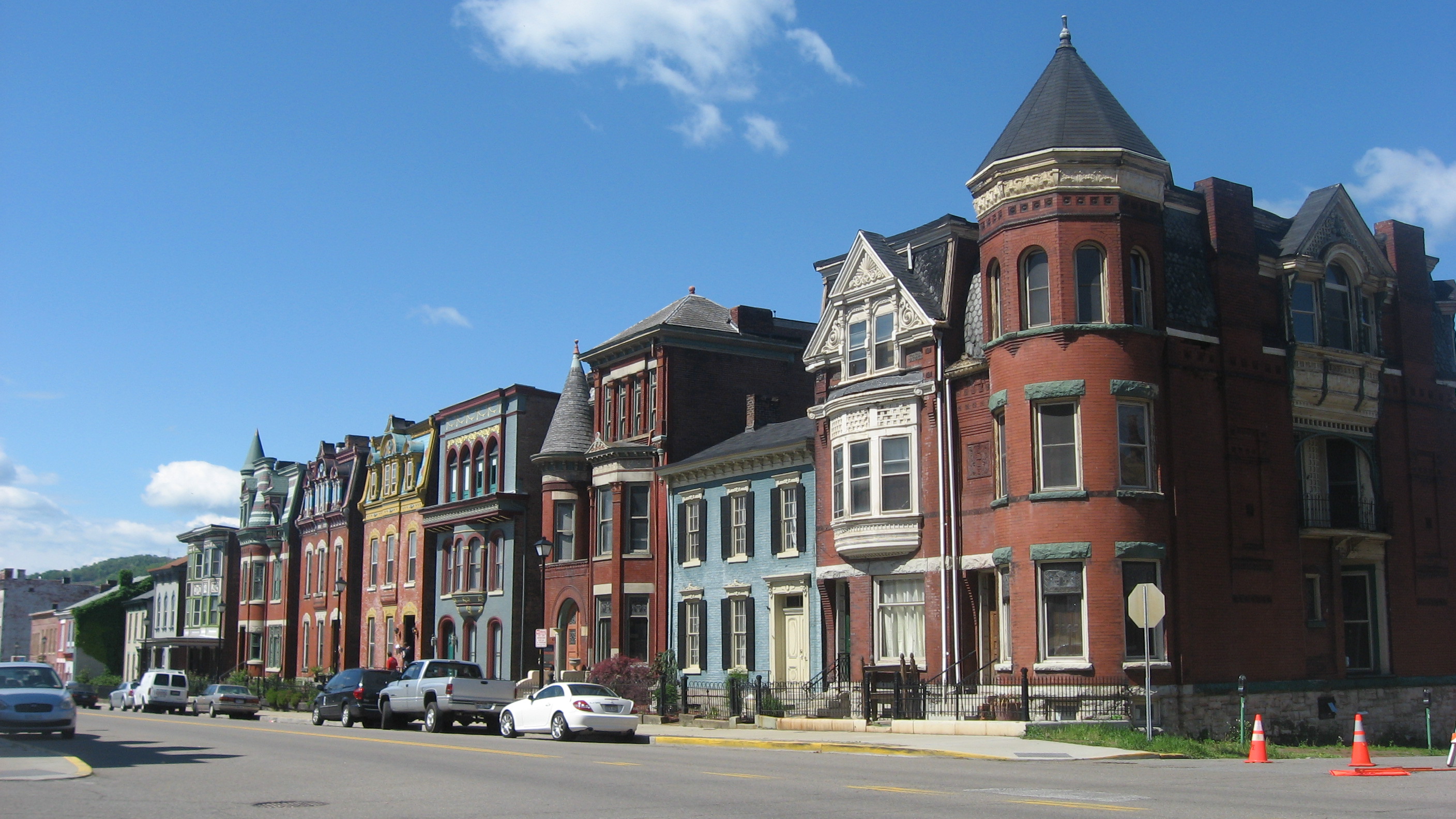
To solve this problem, we must build a large number of new housing units. While we could do this by building ugly seas of single-family detached housing with setbacks and parking lots that look like an architect relied a little too heavily on copy and paste, I think we should instead use this as an opportunity to revitalize historic Maryland towns and build new, historically styled towns along rail transit lines. We can create dense communities with rail access to major cities in the area. These can be unique, beautiful spaces with a variety of housing options for those who want to live there; allow the Maryland government to collect property tax revenue based on demand from a housing-crunched DC; and exist as a blueprint and economic incentive for other states and cities across the country to tackle their housing crisis in a way that improves their communities.